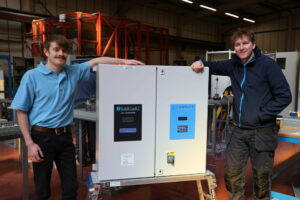





Why It’s Time to Upgrade: From Single Phase to Three Phase Power in Modern ESP Systems
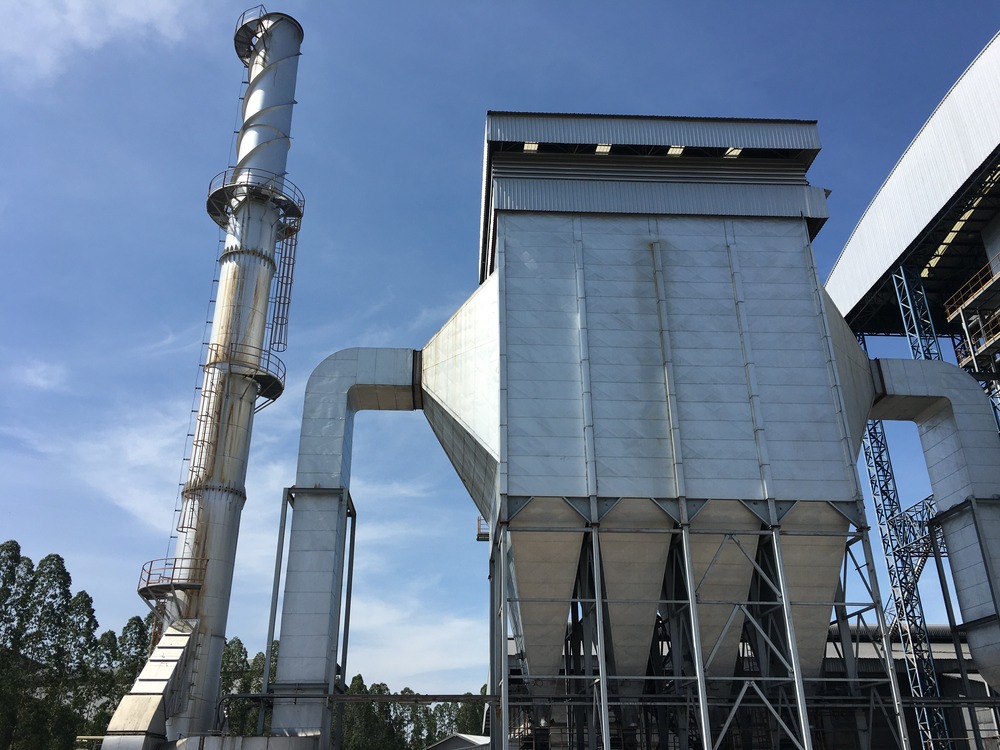
Electrostatic precipitators (ESPs) play a critical role in helping industrial plants control particulate emissions and maintain environmental compliance.
At the heart of every ESP is the transformer rectifier (T/R unit), responsible for supplying the high-voltage power needed for efficient particle collection. When power delivery is unstable or inefficient, ESP performance suffers – increasing emissions, reducing collection efficiency, and placing additional strain on plant operations.
As emission regulations become increasingly stringent across industries worldwide, operators are under growing pressure to improve ESP performance. One of the most effective and cost-efficient upgrades available is the transition from single phase to three phase transformer rectifier technology.
Three phase systems provide a more stable and efficient power supply, allowing ESPs to operate at higher power levels before sparking occurs. The result is improved collection efficiency, better load balancing, and a more reliable power infrastructure that supports long-term operational performance.
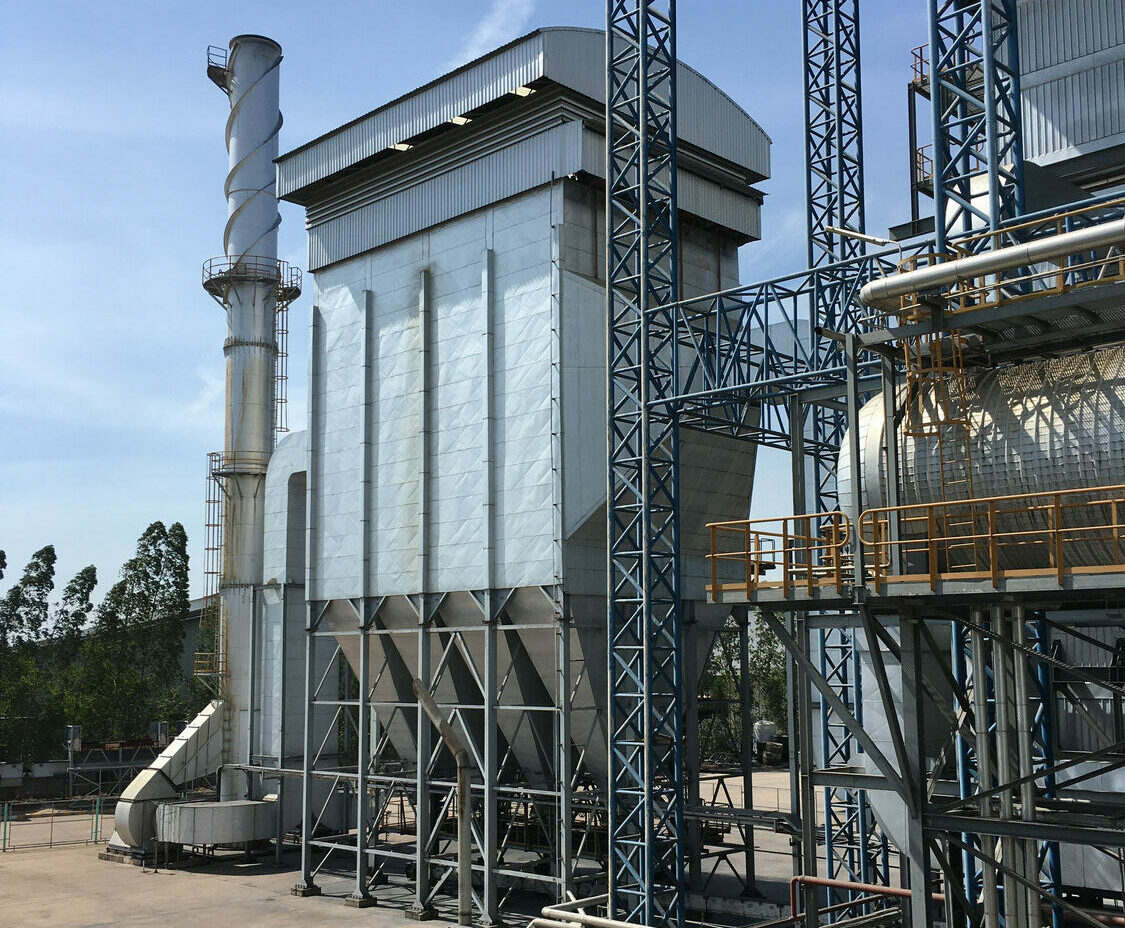
Why Three Phase Transformer Rectifiers Improve ESP Performance
A major advantage of the three phase T/R unit is its ability to provide a significantly flatter DC output than an equivalent single phase system. This flatter waveform allows more power to be introduced into the electrostatic precipitator before a spark occurs, improving overall energisation and collection performance.
Three phase T/Rs improve industrial ESP performance through:
- More Stable and Continuous Energy Flow – Three phase systems deliver a smoother and more continuous DC supply to the ESP. This enhanced stability improves precipitator energisation and supports more efficient particle charging and collection.
- Flatter DC Output – Compared with single phase systems, three phase transformer rectifiers produce a much flatter DC waveform. This reduces ripple current and enables higher average power input into the precipitator without increasing the risk of sparking.
- Improved Load Balancing – Three phase systems distribute electrical load evenly across all phases. This balanced operation improves overall system efficiency and helps prevent uneven loading across the plant’s electrical network.
- Reduced Infrastructure Stress – By eliminating phase imbalance issues, three phase systems reduce stress on transformers and associated electrical infrastructure. This can extend equipment lifespan and improve the reliability of the wider power distribution system.
- Avoidance of “Out-of-Balance” Penalties – Many facilities operating older single phase systems face penalties or operational constraints caused by unbalanced electrical loads. Three phase installations help avoid these issues while improving integration with modern plant infrastructure.
This means the ESP can operate more efficiently and consistently, particularly in demanding industrial environments where stable power delivery is essential.
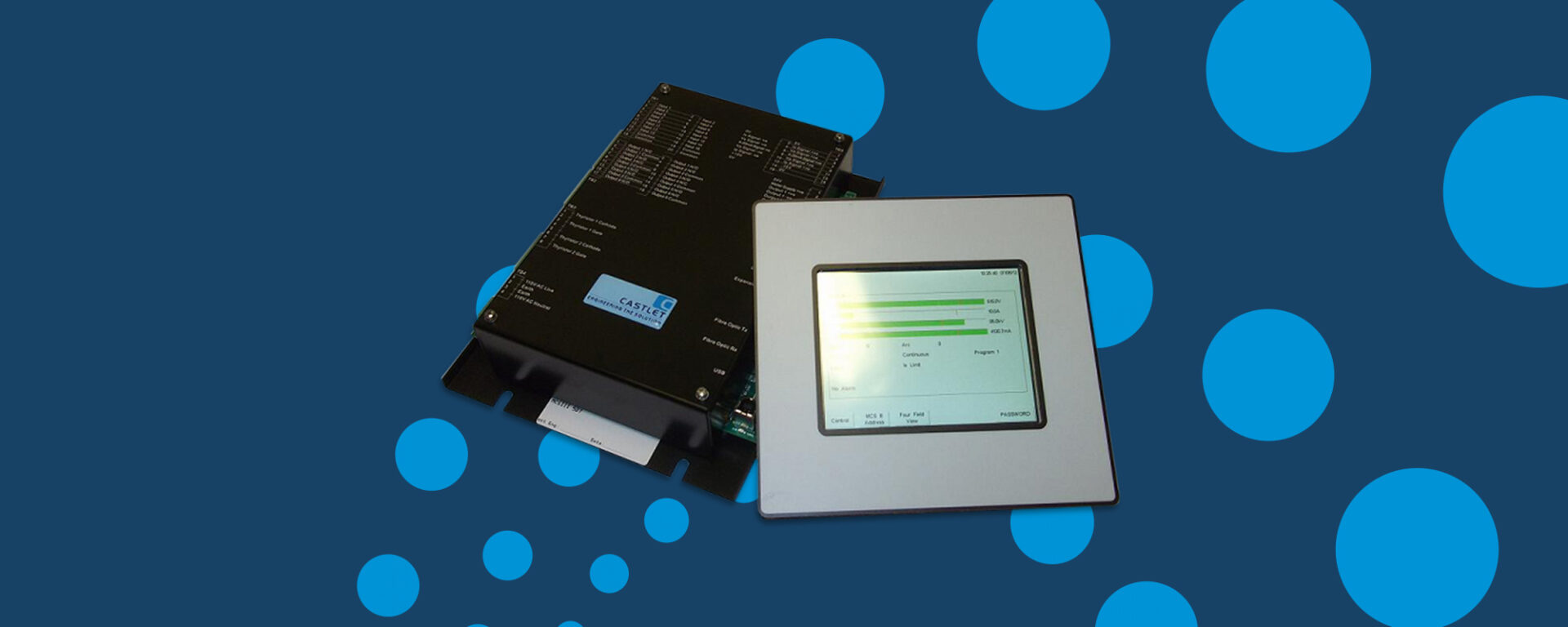
Advanced Control with the Castlet Three Phase MCS Controller
The Castlet three phase MCS controller represents a significant advancement over conventional single phase ESP control technology.
Building on the proven design of the MCS III single phase controller, the three phase version generates six sets of thyristor firing pulses for precise phase control of a three phase transformer. By comparison, a conventional single phase controller produces only two sets of firing pulses.
The system controls the transformer input through three inverse parallel pairs of thyristors connected to a three phase full-wave high-voltage rectifier bridge. This configuration delivers highly efficient and reliable power control for modern ESP applications.
Benefits of Castlet’s Three Phase MCS III Controller
Industrial operations require systems that are robust, dependable, and cost-effective. The three phase MCS III controller delivers these benefits and more.
Firstly, it delivers proven reliability. Three phase ESP systems have a long-established track record in demanding industrial environments. Designed for continuous operation, they provide dependable performance even under conditions involving high heat, dust, and electrical stress.
Secondly, it can be counted on for consistent performance. The six-pulse waveform generated by a three phase system maximises energy transfer into the precipitator. This supports improved dust collection efficiency and more consistent operational performance across varying process conditions.
Compared with more complex alternative technologies, three phase systems are also simpler to maintain, easier to operate, and typically involve lower installation and replacement costs. Reduced maintenance requirements also contribute to lower long-term operational expenditure.
Finally, the three phase MCS III controller delivers operational simplicity. Plant engineers and maintenance teams worldwide are familiar with three phase power systems. This widespread industry knowledge simplifies fault diagnosis, maintenance procedures, and long-term support, helping facilities minimise downtime and training requirements.
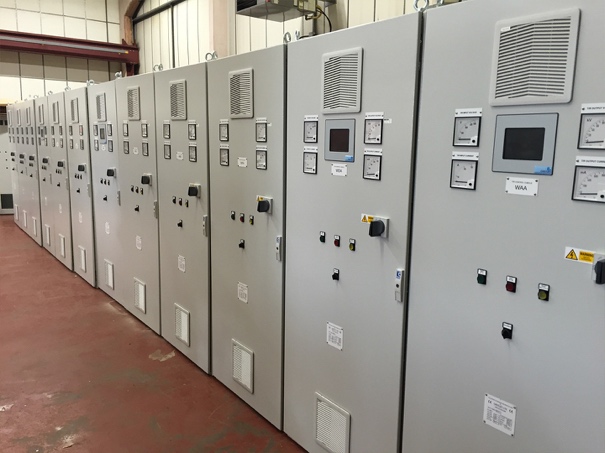
When to Upgrade Your ESP System to Three Phase
Not every ESP installation faces the same operational challenges, but there are several common scenarios where upgrading from single phase to three phase technology delivers clear benefits.
Decision Framework: When to Upgrade to Three Phase
| Scenario | Recommended Approach |
| Legacy single phase ESP installation | Upgrade to three phase for improved load balancing and stability |
| Distribution transformers experiencing unbalanced load issues | Move to three phase to eliminate phase imbalance and reduce stress on infrastructure |
| Struggling to meet emissions targets | Three phase enables more stable energisation and improved collection efficiency |
| Sites looking to optimise electrical infrastructure | Three phase reduces the need for “out-of-balance” allowances and improves system integration |
For many facilities, upgrading the power supply represents one of the fastest and most cost-effective methods of improving ESP performance without major mechanical modifications.

Improving Plant Efficiency with Three Phase ESP Systems
Reliable ESP performance is essential for modern industrial operations. Unplanned downtime can be extremely costly, while poor emissions control risks regulatory penalties and operational disruption. Power supply systems must therefore be capable of operating reliably in challenging environments exposed to heat, dust, and continuous electrical stress.
Three phase ESP systems have demonstrated long-term reliability across industrial applications worldwide, with many installations operating successfully for years with minimal routine maintenance.
For legacy systems still operating with single phase transformer rectifiers, upgrading to three phase technology is increasingly becoming a foundational improvement rather than an optional enhancement. The benefits extend beyond emissions performance alone – improving electrical stability, reducing infrastructure stress, and supporting more efficient plant operation overall.
As environmental regulations tighten and operational efficiency becomes more important than ever, upgrading ESP power supplies remains one of the most practical and cost-effective investments industrial operators can make.
To find out whether a three phase upgrade is the right solution for your plant, book a consultation with our sales team today.