


From MCSII to MCSIII: What does an ESP controller upgrade actually involve?
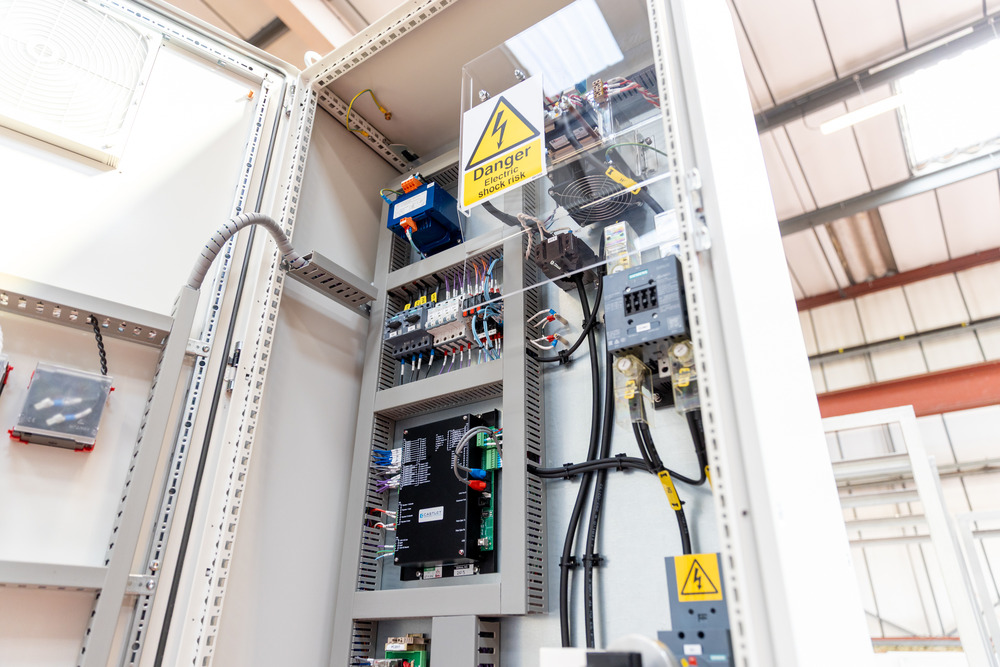
Castlet supplies and supports power and control equipment for electrostatic precipitators (ESPs), including automatic voltage controllers used to manage the high-voltage supply to an ESP.
Castlet’s MCSII automatic voltage controller family has been operating successfully across industrial applications for many years. However, as systems age, some of the components they rely on can become obsolete and increasingly difficult to source.
For plant operators running an ageing MCSII control system for their electrostatic precipitators, upgrading to MCSIII can provide a practical way to modernise ESP control technology without replacing an entire installation.
But what does an MCSII-to-MCSIII retrofit actually involve? How much preparation is required, and how long does the work take?
At Castlet, the process is carefully planned around the customer’s existing equipment and operational requirements, with the majority of the engineering work completed before the plant needs to be taken offline.
Why upgrade from MCSII to MCSIII?
As MCS II controllers age, some components become obsolete and replacement spares can be increasingly difficult to source. However, this doesn’t necessarily mean the wider electrostatic precipitator (ESP) installation needs to be replaced.
Upgrading to MCS III provides a practical way to address controller obsolescence while introducing modern control technology and improved functionality.
Key advantages include:
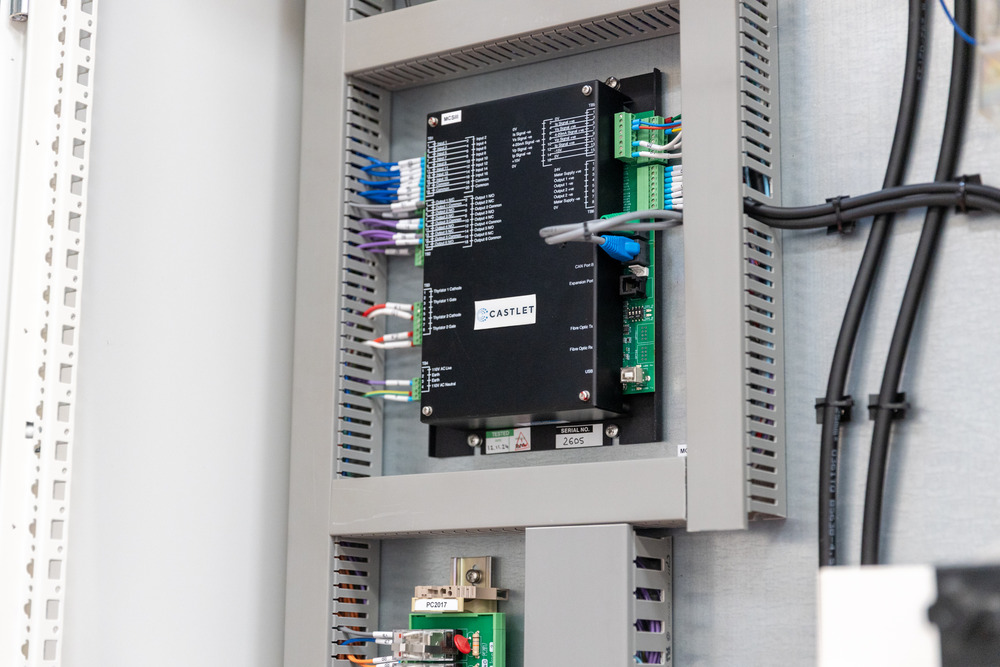
- Improved operation and diagnostics: The MCS III colour touchscreen provides a more intuitive interface than the MCS II keypad, while waveform and graph displays make monitoring, fault-finding and commissioning easier.
- Enhanced control and maintenance: Features include adjustable maximum spark frequency, improved rapper scheduling, time-stamped logging of the latest 22 alarms and configuration through a standard USB connection.
- Reduced replacement requirements: In compatible installations, existing equipment such as the transformer-rectifier (T/R) set and kV/mA feedback card can be retained. Built-in I/O and dual CAN ports also provide additional integration options.
Castlet engineers each retrofit around the existing installation, aiming to retain suitable equipment and infrastructure while minimising modifications to control panels wherever practical.
What does the retrofit process involve?
While every plant and installation is different, the process can be broken down into five key stages.
1. Assessing the existing system
The first step is to review the existing MCS II controls, available drawings, control panels and interfaces with the wider plant. A site survey may also be required to confirm the installed equipment and identify subsequent modifications.
Understanding the existing installation is particularly important for older systems, which may have been modified or updated over their operational life. The assessment gives us the information needed to develop a retrofit specifically around the customer’s plant.
2. Engineering the retrofit
Once the existing system has been assessed, we begin to engineer the retrofit. This includes developing the new MCSIII configuration and preparing the necessary engineering documentation and circuit diagrams.
The team also considers how the upgraded system will integrate with the wider plant, including existing control and monitoring systems where required.
Doing this work before the shutdown is an important part of keeping the eventual installation efficient. Rather than using valuable outage time to resolve engineering questions, the retrofit is planned and prepared in advance.
3. Preparing the hardware and documentation
With the engineering complete, the MCSIII hardware and associated documentation are prepared for the installation.
During this time, our engineers prepare the equipment and documentation ahead of the planned outage, ensuring the installation team has everything required to complete the retrofit efficiently. This means the site team can arrive with the retrofit already planned and the required equipment ready to physically install.

4. Installation during the planned outage
We will then carry out the physical retrofit during the customer’s planned plant outage. The existing MCSII controllers are replaced with the MCSIII system, with suitable existing infrastructure and power components retained wherever possible.
The on-site installation can typically be completed within approximately one week, depending on the individual installation and scope of work.
Keeping the physical installation to a defined outage window is particularly important for industrial operators, where unplanned or extended downtime can have significant operational and financial consequences. Planning ahead helps make the best use of the available outage window.
5. Commissioning and integration
Once the new equipment is installed, we then commission the upgraded system. This involves checking the operation of the new controllers, confirming connections and ensuring the system is communicating correctly with the wider plant. Where required, the MCSIII system can also be integrated with existing SCADA and control systems.
Commissioning is about more than simply switching the new system on. The aim is to ensure that the upgraded controls are working correctly as part of the wider ESP and plant environment before the system is handed back to the customer.
Retrofit in practice: Delivering an MCS upgrade for an Italian power station
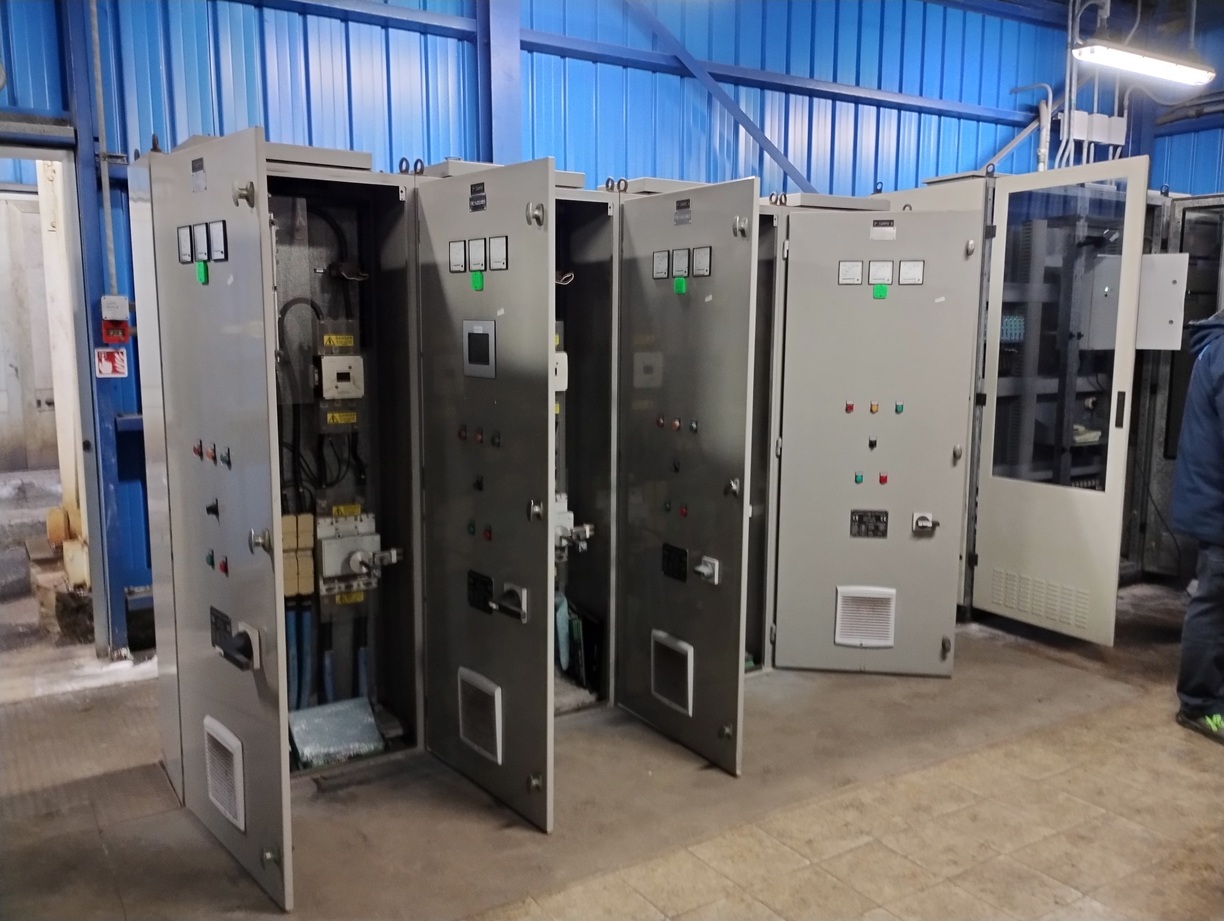
At an Italian power station, the existing MCS II control equipment had become obsolete, with replacement spares no longer available. This created a risk of extended downtime if a controller failed.
Rather than replacing the wider ESP installation, Castlet engineered an MCS III retrofit around the existing infrastructure. Following a review of the original documentation, the team prepared updated circuit diagrams and supplied the replacement hardware and documentation within eight weeks.
Installation and commissioning were completed during a planned one-week outage. The project demonstrates how detailed engineering and preparation can allow obsolete controls to be replaced while retaining existing infrastructure and minimising disruption to plant operations.
Planning ahead rather than waiting for failure
For many operators, controller obsolescence is something that develops gradually.
The ESP itself may continue to perform effectively, but the availability of replacement components and support for an ageing control system can become increasingly limited.
Planning an MCSII-to-MCSIII upgrade before a failure occurs gives operators greater control over when the work takes place. The retrofit can be engineered around a planned maintenance period or shutdown, rather than being driven by an unexpected component failure. It also provides time to understand the existing system properly, prepare the new equipment and resolve potential issues before the plant goes offline.
A practical route to ESP modernisation
An MCSII-to-MCSIII retrofit doesn’t have to mean starting again from scratch. By assessing the existing installation, completing the engineering and hardware preparation in advance, and carrying out the physical upgrade during a planned outage, we can help operators modernise their ESP control technology while making use of suitable existing infrastructure.
The process is designed to give customers a clear and manageable route from an ageing MCSII system to modern MCSIII control.
Considering an MCSII-to-MCSIII upgrade? Contact us to discuss your existing installation and the options available: info@castletltd.com.
A practical route to ESP modernisation
An MCSII-to-MCSIII retrofit doesn’t have to mean starting again from scratch. By assessing the existing installation, completing the engineering and hardware preparation in advance, and carrying out the physical upgrade during a planned outage, we can help operators modernise their ESP control technology while making use of suitable existing infrastructure.
The process is designed to give customers a clear and manageable route from an ageing MCSII system to modern MCSIII control.
Considering an MCSII-to-MCSIII upgrade? Contact us to discuss your existing installation and the options available: info@castletltd.com.