



Cleaner Air, Smarter Plants: 6 Signs Your Electrostatic Precipitator Needs Maintenance
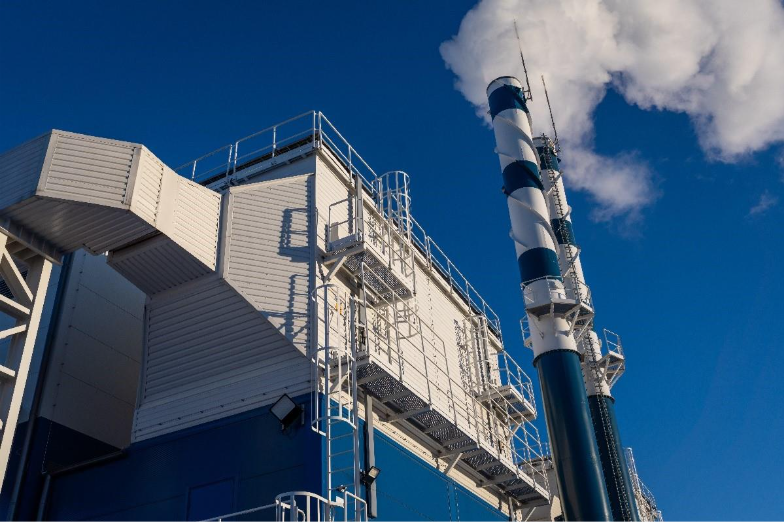
Electrostatic precipitators play a crucial role in keeping our air clean through the capturing of dust particles generated by industrial processes from a flowing gas stream.
To ensure optimal performance and prevent issues like reduced airflow, increased energy consumption, it is vital that ESPs are maintained regularly.
Depending on the level of pollution produced, the frequency of maintenance needed on ESPs can vary. However, typically checks are needed every 12 months, including the cleaning and inspection of ESP all internals which are central to their proper functioning.
In this blog series – cleaner air, smarter plants – we have explored how advanced engineering solutions can help industries improve the performance of their ESPs, and the role of control panels in defining air quality standards. This final instalment will uncover the six key signs that your ESP needs maintenance, to help your plant uphold optimal performance.

What are the 6 warning signs your ESP needs maintenance?
There are a range of key warning signs to look out for that signal your ESP could benefit from maintenance.
1. Reduction in dust collection efficiency
If there is a build-up of dust on internal surfaces or your dust collection outlet is clogged or overflowing, this is a clear sign your ESP may not be performing optimally. Reduced dust collection efficiency is often caused by poor or inconsistent rapping mechanism performance.
2. Rapping issues
Rapping can be interrupted by various factors, including particle adhesion properties and the thickness of the accumulated dust layer. It is important these factors are balanced to optimise the cleaning cycle and maintain collection efficiency. If your rapping mechanism is misfiring, delayed or failing in any section, it may be time to clean, adjust or repair the rapper system.
3. Persistent arcing/sparking
Frequent or continuous arcing (the release of an electrical discharge) within the precipitator is a strong warning that cleaning or servicing is needed to prevent damage or reduced efficiency. Unusual changes in the voltage or current at any stage can suggest electrical faults, worn components, or the need for recalibration – the power supply often reduces voltage automatically to prevent damage, but this reduces collection efficiency.
4. Worn or misaligned electrodes and frames
Bent or misaligned electrode plates or discharge elements, loose bolts, or debris build-up can all impair the operational effectiveness of an ESP.
5. Alarms or fault codes
Regular alarms are the clearest warning sign that something isn’t right.
6. Decreased airflow
Issues with airflow or compromised performance of the blower unit can suggest mechanical wear, like belt slippage, or blockage in the system.

How often should you consider maintenance?
There are varying factors that impact how often your ESP needs maintenance. For industrial applications, the frequency of maintenance can depend on the level of pollution produced; high levels of particulate matter can necessitate more frequent cleaning. However, typically checks are required every 12 months.
The usage of the equipment also has an impact on the frequency of cleaning and inspection; more intensive use may require inspection more often. Other factors to consider include local regulations, which may dictate specific maintenance schedules, and the manufacturer’s guidelines for your specific ESP model.
Regular maintenance ensures your ESP system keeps optimal performance and prevents issues like reduced efficiency or equipment malfunction.
What does maintenance involve?
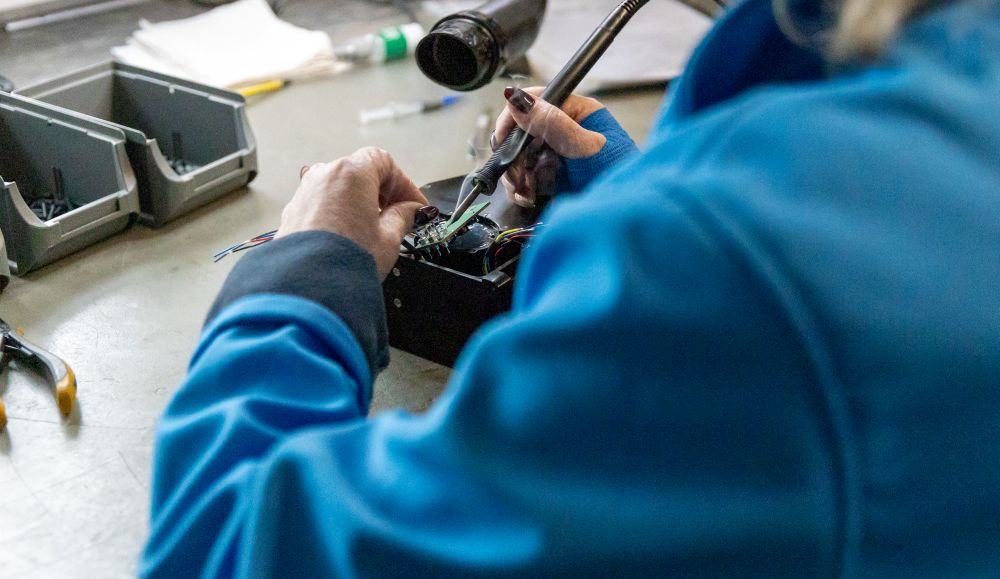
The maintenance process can differ depending on the make of your ESP system, its environment, usage and components. Regular cleaning of the electrostatic plates and other components is crucial to remove accumulated dust, grease, and other particulate matter.
Key components must also be inspected for signs of wear and damage, including ESP cells, power modules, fans, and rapper boxes. If these components are found to be malfunctioning, they must be replaced to maintain optimal performance.
Investing in regular maintenance and upgrades can prevent unexpected breakdowns and minimise costly downtimes, to improve the overall efficiency of your ESP and capture a higher percentage of particulate matter. It can also extend the lifespan of your equipment, reducing the need for an expensive new system, and ensure your plant meets fast evolving environmental regulations.

The importance of planned maintenance for a greener future
With every ESP system facing unique factors such as its make, the level of pollution, and its components, it’s important to have a tailored maintenance plan in place to suit your ESP power and control system. This may include annual professional servicing or regular upgrades with new equipment or technological change.
At Castlet, our ESP solutions include routine planned maintenance. This preventative approach is key to avoiding higher emergency maintenance costs further down the line.
We are the preferred choice for ESP power and control systems across the world. Contact us today find out how we can help your plant optimise efficiency.