




Planned Maintenance vs Emergency Callouts: How to Prevent Failures in ESP Power & Control Systems
In energy intensive industries such as oil refining, petrochemicals, and gas processing, Electrostatic Precipitators (ESPs) are essential for keeping emissions within limits. Their power control systems supply and regulate the high voltage current needed to charge and capture fine dust particles. When these systems fail, plants risk costly downtime, non-compliance, and reputational damage.
The role and risks of ESP power control systems
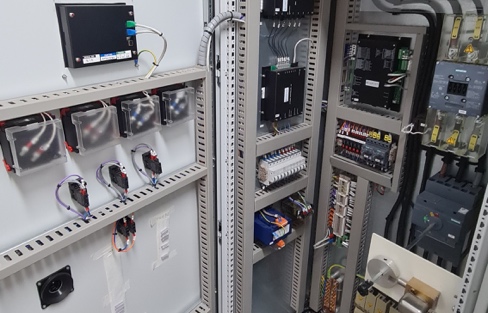
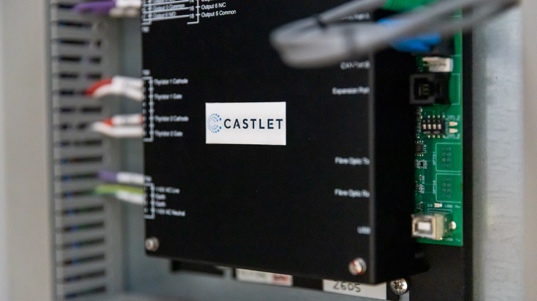
ESP systems typically use transformer-rectifier units and electronic controllers – such as Castlet’s MCS III series – to manage voltage, current, and rapping sequences. Over time, electrical stress, high temperatures, and environmental exposure can cause deterioration. Common issues include rectifier faults, degraded controllers, corroded connections, and poor cooling. Minor faults can rapidly escalate, reducing efficiency and driving emissions above permitted levels.
The hidden cost of unplanned failures
When breakdowns occur, emergency callouts are often unavoidable but come with higher repair costs, production losses, and potential regulatory breaches. Unplanned failures strain staff and often result in temporary fixes rather than long-term solutions. For continuous-process industries, even short disruptions can translate into significant financial and environmental consequences.
Why planned maintenance matters
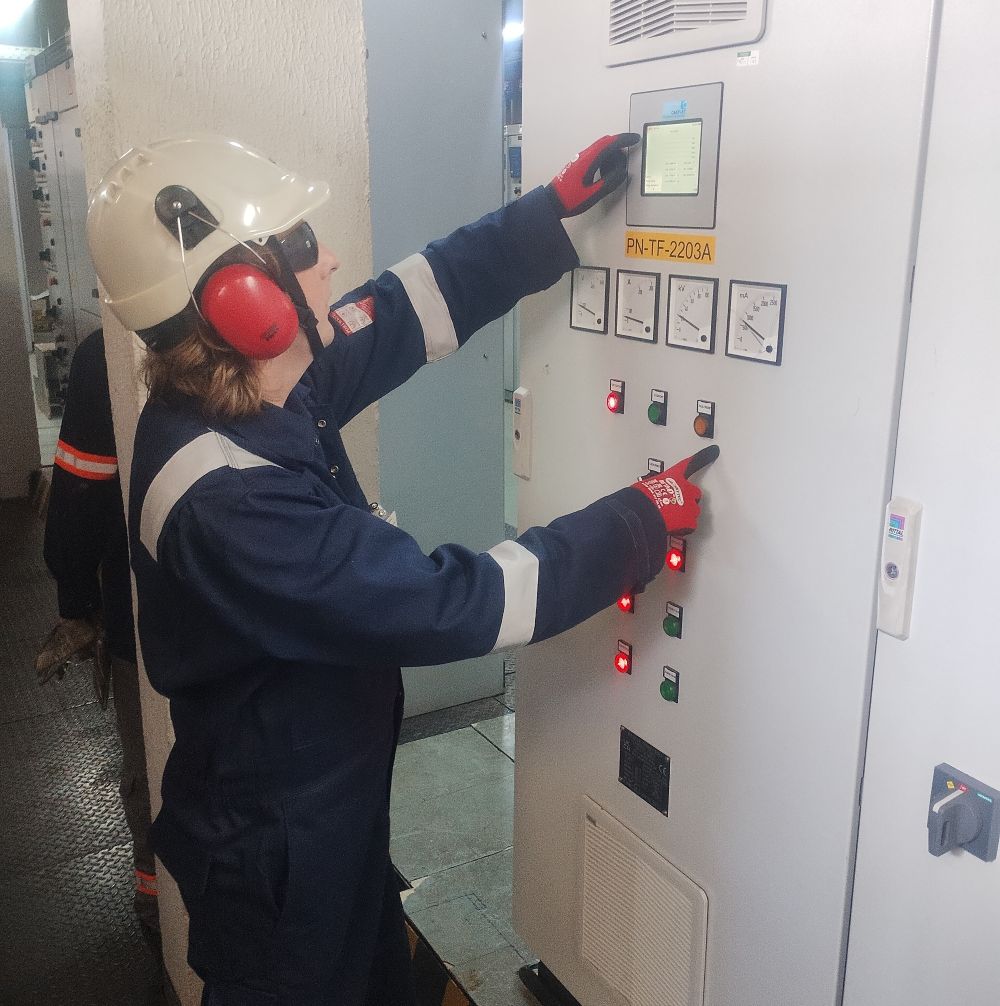
A proactive maintenance program helps operators identify and correct potential faults before they lead to outages. Regular inspections, testing, cleaning, and component checks improve reliability, extend equipment life, and ensure emissions remain within specification. Predictable service schedules also allow operators to manage budgets and plan maintenance around production windows.
By analysing data from modern control systems – such as voltage trends, spark frequencies, and alarm histories – engineers can detect early warning signs and adapt maintenance schedules accordingly. Over time, this approach builds a detailed picture of system health, improving reliability and compliance.
Balancing planned maintenance and emergency response
While emergencies can still arise, they should be the exception, not the rule. Establishing a relationship with a trusted engineering partner ensures rapid response when needed, but planned maintenance remains the foundation of system reliability. Compared with reactive repairs, scheduled maintenance delivers lower total cost of ownership, longer asset life, and greater operational stability.
Case study: Improving reliability and responsiveness for our ESP client
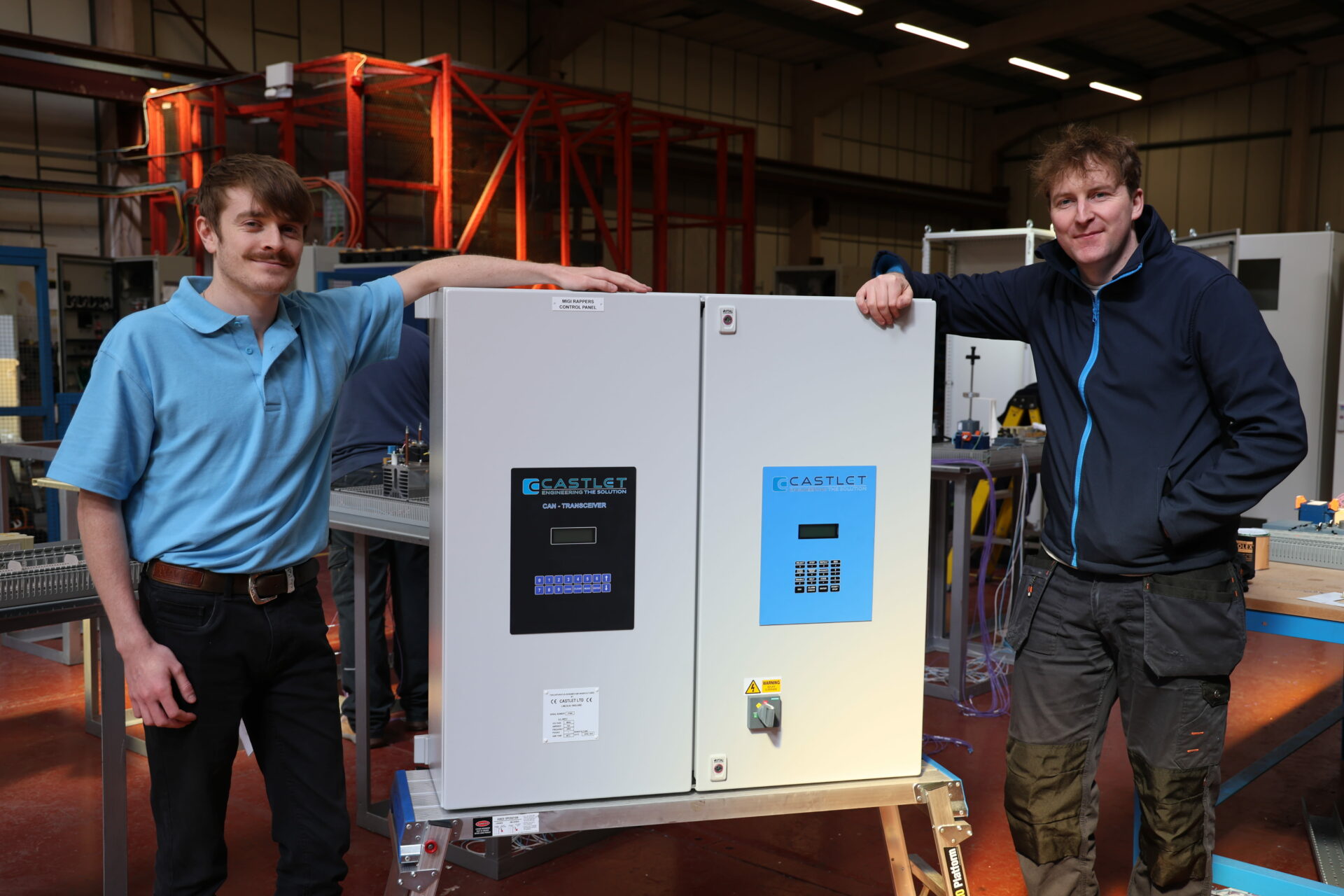
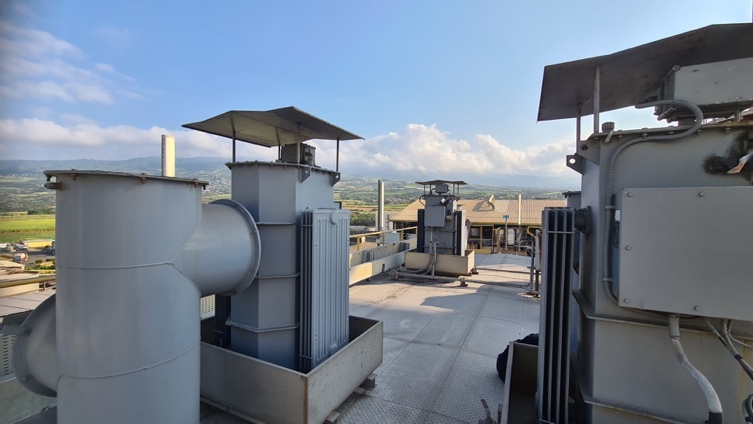
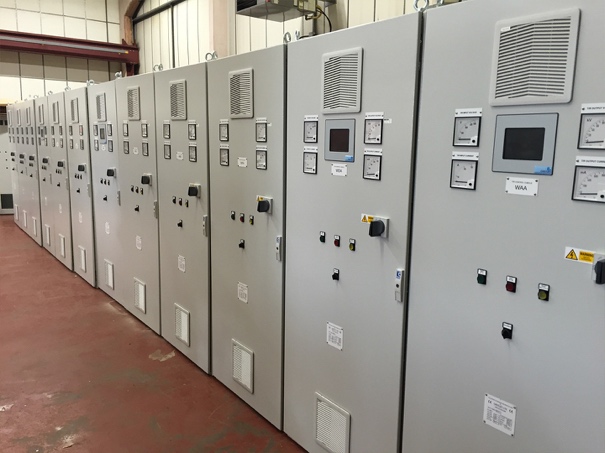
Castlet recently supported a client seeking to reduce ESP cleaning turnaround time and improve overall system responsiveness. Our engineers designed and commissioned a MIGI rapper control panel capable of energising multiple devices on programmable cycles.
The microprocessor-based system provided fault-reporting, display diagnostics, and flexible control logic, resulting in easier maintenance, reduced energy use, and improved uptime. This was supported by programmable timing and intensity settings for individual rapper devices or groups, stored within non-volatile memory to allow rapid adjustment for changing operating conditions. Fault identification displayed the affected device and cause, enabling quicker diagnosis and modular card replacement during maintenance.
Ongoing remote and on-site support further enhanced reliability, ensured long-term maintainability, and provided a clear pathway for future upgrades as control strategies evolve.
Future-proofing your plant through proactive maintenance
Routine inspections, calibration, and system testing ensure ESP power supplies and controllers perform reliably under demanding conditions. Early diagnosis of faults minimises downtime and maintains compliance. Upgrading legacy systems to modern platforms, such as the MCS III, extends asset life and enhances data visibility for better decision-making.
By investing in planned maintenance rather than relying on emergency callouts, operators gain operational stability, predictable costs, and peace of mind – keeping plants running efficiently and emissions under control.
Integrating maintenance into plant operations
To maximise uptime, maintenance activities must align with wider plant shutdowns and production cycles. Effective planning includes:
- Spare-parts management: keeping essential components—controllers, rectifiers, cooling fans, surge suppressors—readily available.
- Data-driven insights: using operational data to schedule maintenance and forecast component lifecycles.
- System upgrades: retrofitting legacy controllers with newer models like Castlet’s MCS III improves performance and diagnostics.
- Documentation and review: maintaining clear service records and feeding lessons learned into continuous improvement cycles.
Take control of your control systems
Whether you’re looking to optimise existing equipment, upgrade legacy control systems, or put a preventative maintenance programme in place, Castlet’s experienced engineers can support you at every stage. Speak to our team today to discuss how a proactive approach can futureproof your plant, minimise risk, and keep operations running efficiently.